

As Yoga continues to gain popularity globally, it has evolved in numerous ways to cater to a wide variety of people. It’s beneficial to understand the nuances that distinguish Classical Hatha Yoga from the more commonly found Western Yoga Studio classes. It’s not a question of superiority but about understanding their differences and appreciating the unique benefits each offers.
Foundations
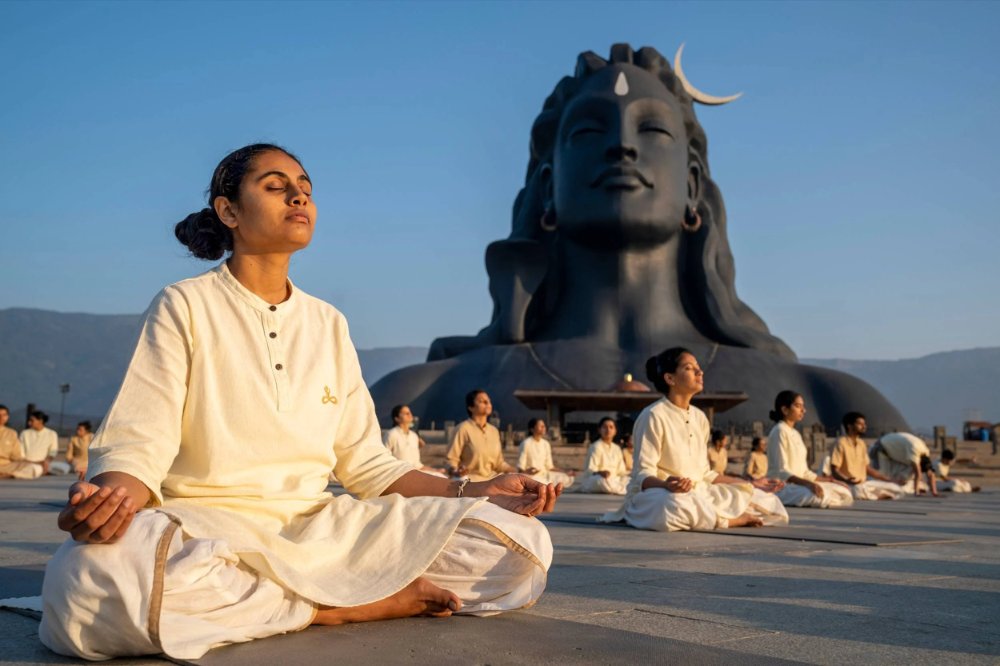
Classical Hatha Yoga is based on traditional practices that have been passed down over the centuries in their purest form. Its emphasis is on uniting the body, mind, emotions, and energies to enhance one’s life experience. This form of Yoga views the human body as a platform to explore higher dimensions of life — offering a deep transformation that affects all aspects of a person’s life.
Western Yoga Studio Classes are often a melting pot of various yoga traditions including elements of Hatha, Vinyasa, Power, Ashtanga, or Bikram yoga. The Western adaptation often emphasizes the physical aspects of yoga such as flexibility, strength, and balance, and is often less focused on the spiritual and meditative aspects intrinsic to the traditional practice.
Approach to Asanas
In Classical Hatha Yoga, asanas are not merely physical exercises but a means to align one’s body with the cosmic geometry. Each asana is performed slowly with an emphasis on maintaining a meditative state. The practice focuses on precision and aligning the body, breath, and mind. Done with eyes closed, it allows practitioners to delve deep into each posture — it becomes a living process rather than a physical practice.
Western Yoga classes tend to have a faster pace, often moving quickly from one asana to another in a flowing sequence. The emphasis is often more on physical fitness and less on the meditative or spiritual aspects of yoga.
Personal Growth and Self-Transformation
Classical Hatha Yoga is deeply rooted in the idea of transformation, aiming to help practitioners experience life beyond their limited physical and mental faculties. The methods taught contribute to improved health and vitality, better stress management, and enhanced perception, fostering an overall sense of balance, clarity, peace and joy.
While Western Yoga Studio Classes offer personal growth benefits such as stress relief and improved fitness, they may not offer the same depth of transformation due to their broader focus on the physical aspect of the practice.
Teachers and Teaching Methodologies
Teachers in the Classical Hatha Yoga tradition undergo a rigorous and intensive training process. They are trained to transmit the spiritual and meditative aspects of yoga as well as the physical aspects, and often provide individual corrections and guidance to ensure safety and efficacy of the practice.
The quality of teaching can vary widely in Western Yoga Studio classes. Classes are often larger, which may limit the amount of individual attention each student receives.